Kia Seltos : Kia has always known how to stir up the Indian car market, and the all-new 2026 Seltos is no exception.
Launched just weeks ago at a starting price of ₹10.99 lakh, this second-generation model rides in on a wave of hype, promising bigger dimensions, smarter tech, and safety that actually thinks ahead.
I’ve spent time behind the wheel and poking around showrooms, and let me tell you, it’s not just another facelift—it’s a proper step up that feels fresh without losing what made the Seltos a bestseller.
Bigger, Bolder, and Built to Dominate Roads
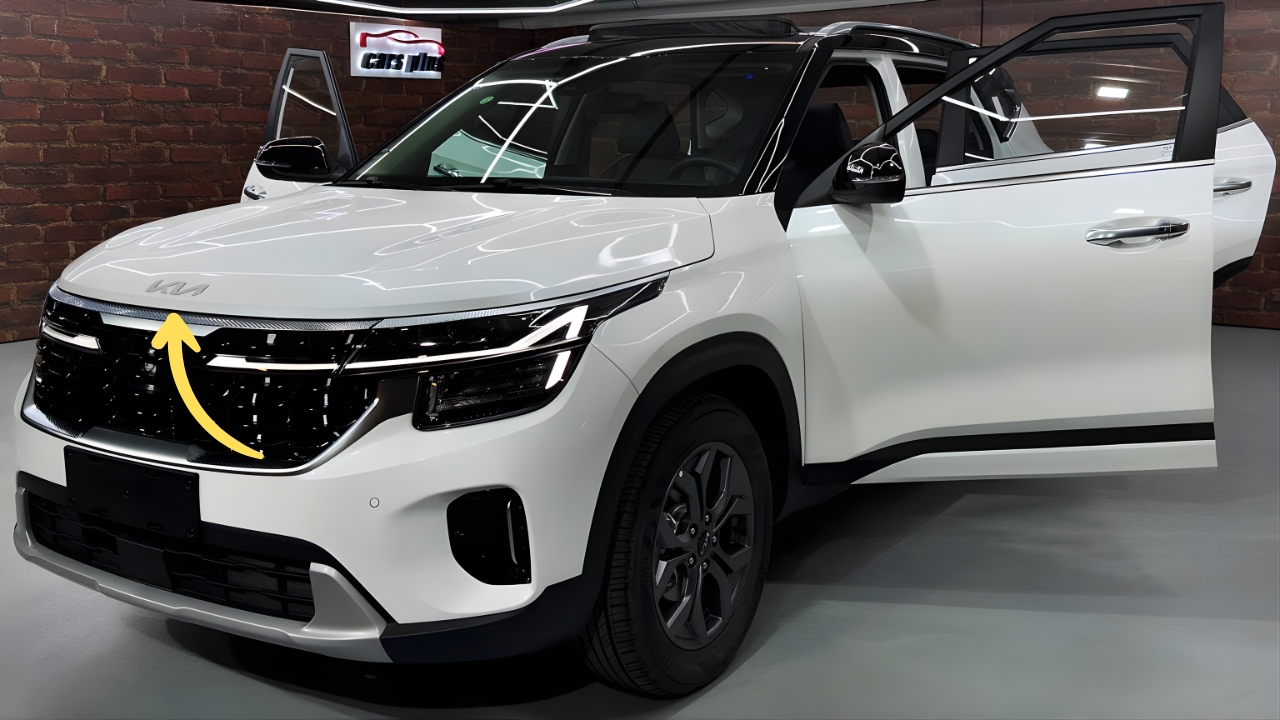
Right off the bat, the 2026 Seltos grabs your attention with its revamped exterior. Picture this: a massive Digital Tiger Face grille that stretches wide, flanked by those Intense Ice Cube LED projector headlamps with Star Map DRLs that light up like a constellation when you approach.
It’s got that aggressive, upright stance now, growing to 4,460mm in length—that’s 95mm longer than before—making it look more like Kia’s global heavyweights.
The side profile screams premium with automatic streamline door handles that pop out smoothly, 18-inch crystal-cut alloys shining under neon brake calipers on top trims, and those connected Star Map LED tail lamps at the back that make night drives dramatic.
New shades like Morning Haze and Magma Red add flair, while the higher ground clearance tackles our pothole-ridden streets better.
It’s boxier, more muscular, yet somehow sleeker—Kia nailed the balance between tough and stylish.
Also Read: Bajaj Platina 110 come in Sporty look, Mileage is 95 Kmpl
Cabin That Feels Like a Command Center
Step inside, and the real magic unfolds. The dashboard is dominated by the command-centric Trinity Panoramic Display—a seamless trio of screens including a 12.3-inch infotainment, digital cluster, and climate control that wraps around the driver like a cockpit.
It’s borrowed from pricier Kias, with wireless Android Auto/Apple CarPlay, OTA updates, and a Bose 8-speaker system that thumps just right.
Comfort? Ventilated front seats cool you down in Mumbai summers, the dual-pane panoramic sunroof floods the space with light, and 64-color ambient lighting sets the mood.
Rear passengers get it good too—sliding 60:40 seats with recline, better legroom from the stretched wheelbase, and rear AC vents. The driver seat has this nifty welcome-retract function, sliding back for easy entry.
Materials feel upmarket with dual-tone leatherette, and the double D-cut steering wheel packs drive modes right at your fingertips. No more cramped family trips; this one’s ready for road adventures.
Powertrains That Deliver Without Drama
Under the hood, Kia stuck to what works—no risky overhauls here. You’ve got the familiar 1.5-litre NA petrol (115PS/144Nm) with MT or CVT, the punchy 1.5 turbo-petrol (160PS/253Nm) mated to iMT or 7-speed DCT, and the efficient 1.5 diesel (116PS/250Nm) with MT or torque-converter auto.
Also Read: Skoda Kushaq full luxury features SUV comes with ventilated seats, engine is 999cc
Paddle shifters and modes like Eco, Sport, and traction settings for snow or mud keep things versatile.
Real-world numbers? Turbo petrol hits 16-18kmpl, diesel pushes 20kmpl on highways, and the NA is around 14-16kmpl in traffic.
The new K3 platform sharpens handling—stability at 120kmph feels planted, bumps are soaked up better, and braking is confident.
It’s not a rocket, but for city crawls and occasional overtakes, it nails reliability without thirsting fuel.
Safety Smarts That Actually Watch Your Back
Safety was already decent, but now it’s next-level with Level 2 ADAS packing 21 features like adaptive cruise control with stop-go, lane-keep assist, blind-view monitor, and forward collision avoidance.
Six airbags standard, 360-camera, all-disc brakes, ESC, and side parking sensors round it out. The old model scraped 3 stars in Global NCAP; this beefed-up structure on K3 should fare better.
In tests, the ADAS dings alerts early on highways, easing fatigue, while the surround-view cam makes tight parking a breeze. Families will love the peace of mind—it’s not gimmicky; it works seamlessly in Indian chaos.
Also Read: Tata Nano EV mileage king reborn with Ultimate luxury features, range is 600 KM in ₹2 lakh
Pricing, Variants, and Standing Tall Against Rivals
Starting at ₹10.99 lakh for the HTE up to ₹19.99 lakh for loaded X-Line, it’s just ₹20k pricier than the old one—bargain for the upgrades.
HTX hits the sweet spot with sunroof, ventilated seats, and ADAS basics around ₹16-17 lakh on-road. Bookings are open with ₹25k token.
Against Hyundai Creta, Grand Vitara, or incoming Nissan Tekton, the Seltos edges with bolder looks, superior screens, and that panoramic roof.
Creta matches features but feels less adventurous; Vitara’s hybrid is efficient but cabin lags. Boot’s 447 litres now, expandable with folding seats—practical win.
Kia Seltos Verdict: Worth the Hype in a Crowded Garage?
The 2026 Kia Seltos doesn’t reinvent the wheel; it polishes it to a mirror shine. Bigger, techier, safer—it’s the compact SUV upgrade India needed. If you’re eyeing one, don’t sleep on the HTX or GTX+; they’re daily drivers that wow.
Also Read This : 2026 Maruti Baleno New facelift is launched, iconic features with luxury and comfort
Kia service network backs it, resale holds strong. In a market flooded with me-toos, this one’s got personality. Head to a showroom; that Trinity display alone will sell you.